Medical care often involves multiple healthcare professionals, complicated diagnoses, medications, procedures, and decisions that can change quickly. Clear communication between patients, doctors, nurses, specialists, and other healthcare providers can play an important role in preventing mistakes and improving patient safety.
Miscommunication can contribute to a variety of medical errors, including missed diagnoses, incorrect medications, delayed treatment, and misunderstandings about a patient’s medical history or treatment plan.
Our Terre Haute medical malpractice attorneys at Fleschner, Stark, Tanoos & Newlin believe patients should understand the importance of communicating openly with their healthcare providers and asking questions when something is unclear.
Healthcare providers need accurate and complete information to make informed decisions about a patient’s care.
Important information can sometimes be overlooked or misunderstood when communication breaks down. For example, a patient may not understand instructions about a medication, a doctor may not receive complete information about a patient’s symptoms, or one healthcare provider may not receive important information from another provider.
Communication is particularly important when patients are transferred between healthcare facilities or when multiple specialists are involved in their treatment.
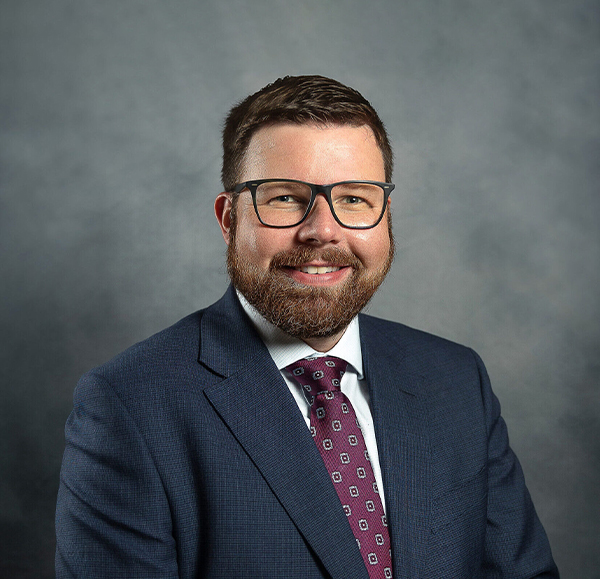
As attorney Caleb Fleschner explains:
“Clear communication is an important part of patient safety. Patients should feel comfortable asking questions and making sure they understand their diagnosis and treatment, while healthcare providers have a responsibility to communicate important information clearly and accurately.”
Patients should not be afraid to ask their healthcare providers questions about their diagnosis, treatment, medications, and expected recovery.
Depending on the circumstances, questions may include:
If you do not understand something your healthcare provider tells you, ask for clarification. Taking notes or bringing a trusted family member to an appointment may also help you remember important information.
Communication is not solely the responsibility of the patient.
Healthcare professionals routinely exchange information about patients as they diagnose conditions, order tests, prescribe medications, perform procedures, and coordinate follow up care.
Important information can become lost or misunderstood when there are communication failures between members of a healthcare team. Hospitals and other healthcare facilities may use procedures and protocols designed to reduce these risks.
Effective communication can be particularly important when:
Even when patients and healthcare professionals communicate effectively, medical errors can still occur.
Some medical conditions are difficult to diagnose, symptoms can overlap, and complications can occur even when appropriate care is provided. A poor medical outcome does not automatically mean that medical malpractice occurred.
Medical malpractice claims generally involve more than an unfavorable outcome. The specific circumstances must be examined to determine whether a healthcare provider failed to meet the applicable standard of care and whether that failure caused the patient’s injury.
If you believe you or someone you love was harmed because of a medical error, begin by obtaining information about what happened.
Keep copies of medical records, test results, prescriptions, discharge instructions, bills, and other documents related to your treatment. Write down what you remember about conversations with healthcare providers while those details are still fresh.
It may also be helpful to document changes in your condition, additional treatment you received, and the effect the injury has had on your daily life.
Most importantly, seek appropriate medical care for your condition. Your health should remain the priority even if you are considering a potential legal claim.
Communication problems are only one potential factor in a medical malpractice case. Determining whether malpractice occurred requires a careful review of the patient’s medical history, treatment, records, and the circumstances surrounding the injury.
Our Terre Haute personal injury lawyers at Fleschner, Stark, Tanoos & Newlin understand how difficult it can be to determine what went wrong after an unexpected medical outcome.
If you or someone you love has been seriously injured and you believe a medical error may have contributed to the injury, contact the medical malpractice attorneys at Fleschner, Stark, Tanoos & Newlin to discuss your situation and learn more about your legal options.
Fleschner, Stark, Tanoos & Newlin
 N/a
The financial burden that often comes with a serious injury can be too much for many people to bear. Unexpected medical debt, damaged personal property, and the sudden loss of income can impact the budgets of most families. The good news is that a successful injury claim could help reduce that financial strain after a serious accident. Get in touch with a Terre Haute personal injury lawyer with Fleschner, Stark, Tanoos & Newlin to learn more.
Copyright ©2026 Fleschner, Stark, Tanoos & Newlin,

