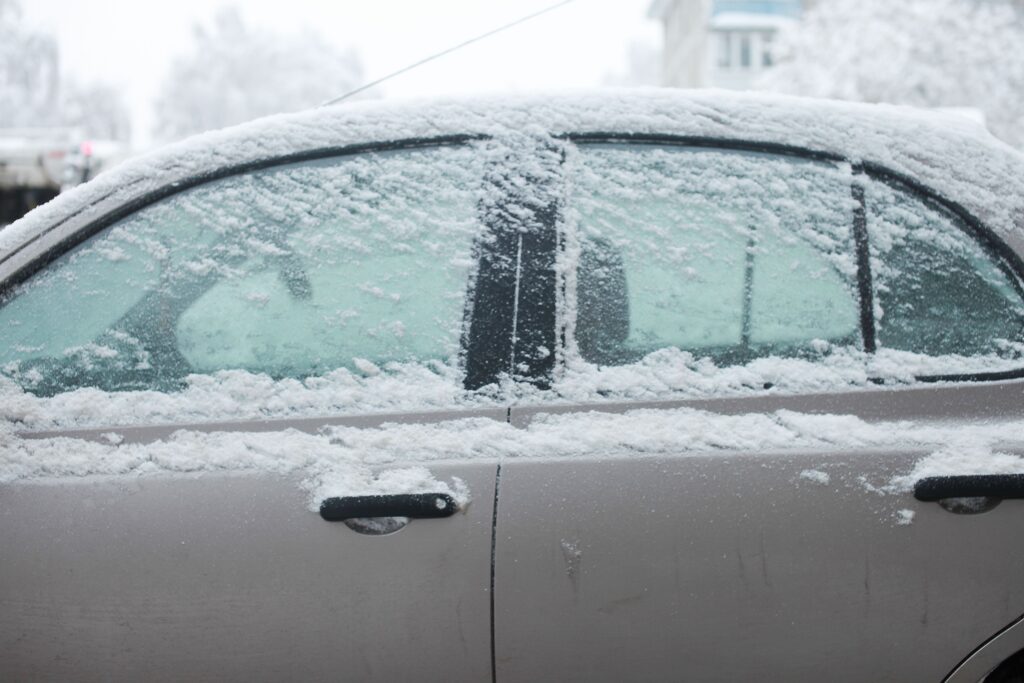

Harsh winters are a part of life in Indiana and Illinois. Snow, ice, and freezing temperatures can make driving more dangerous, but winter weather can also take a toll on your vehicle. Cold temperatures can affect your tires, battery, fluids, windshield, and other important components. A vehicle that isn’t properly prepared for winter weather may be more likely to break down or become difficult to control, putting you, your passengers, and other drivers at risk of car accidents.
Do you know how to prepare your vehicle for cold temperatures? Taking a few simple precautions before winter arrives can help keep your vehicle reliable and make your winter driving safer. Attorney Caleb Fleschner says, “Winter driving requires preparation from both the driver and the vehicle. Taking a few minutes to check your vehicle before heading out can help prevent a breakdown or unsafe situation when you’re dealing with snow, ice, and freezing temperatures.”
Before temperatures drop, take some time to make sure your vehicle is ready for the cold conditions ahead by doing the following.
Cold temperatures can cause tire pressure to drop. Check your tires regularly and keep them inflated to the pressure recommended by your vehicle’s manufacturer. You should also check your tire tread and consider whether your tires are appropriate for the winter conditions you expect to encounter.
Cold weather can be particularly hard on vehicle batteries. If your battery is already weak, freezing temperatures may make it more difficult to start your vehicle. If your battery is several years old or you’ve noticed difficulty starting your vehicle, consider having it tested before winter weather arrives.
Make sure your vehicle has adequate levels of essential fluids. This includes:
Use windshield washer fluid designed for freezing temperatures during the winter.
It’s a good idea to keep your fuel tank reasonably full during the winter. Having additional fuel can be especially important if you become stranded in traffic or on a highway during a winter storm.
Even with proper preparation, winter breakdowns can happen. Consider keeping an emergency kit in your vehicle containing items such as:
If you regularly travel in rural areas or during severe winter weather, additional emergency supplies may be appropriate.
Preparing your vehicle for the cold temperatures is only part of winter safety. Your driving habits also matter. Here are other safety tips for winter weather and driving.
Hot water may appear to be a quick way to remove ice, but the sudden temperature change can damage your windshield and potentially cause it to crack. Instead, use an ice scraper, allow the vehicle to warm up, and use your vehicle’s defroster.
Winter weather can contribute to potholes as water freezes, expands, and damages pavement. Although hitting a pothole can damage your vehicle, suddenly swerving or braking to avoid one can create an even more dangerous situation—particularly when roads are slippery.
Never assume a small opening in the ice or snow is enough to see through. Before driving, clear snow and ice from your windshield, windows, mirrors, headlights, and other areas that affect your visibility. Good visibility is essential when road conditions are already hazardous.
Even if your vehicle is properly maintained, it cannot eliminate the risks created by snow and ice. Reduce your speed when conditions are hazardous, leave additional space between your vehicle and the vehicle ahead of you, and avoid sudden braking, acceleration, and steering whenever possible.
Sometimes the safest choice is simply not to drive. Before leaving home, check the weather and road conditions. If a winter storm is expected to create dangerous travel conditions, consider postponing your trip if possible.
If you become stranded during cold temperatures and winter weather, remain with your vehicle when it is safe to do so. Your vehicle can provide shelter from the elements and make it easier for rescuers to locate you.
Make sure your exhaust pipe is clear of snow before running the engine, and never run the engine in an enclosed space such as a garage.
Even when you know how to prepare your vehicle for cold temperatures, you can’t control the actions of other drivers. Some winter crashes happen because drivers fail to adjust their speed or driving habits to account for snow and ice. Others may occur because a driver is operating a vehicle that isn’t properly maintained or because another party’s negligence contributed to the crash.
If you are injured in a winter-related car accident caused by someone else’s negligence, you may have the right to seek compensation for your injuries and other losses. At Fleschner, Stark, Tanoos & Newlin, our Indiana personal injury attorneys help injured people understand their legal options and pursue the compensation they deserve. Contact us today for a free consultation to learn how we may be able to help you and your family.
Fleschner, Stark, Tanoos & Newlin
 N/a
N/a
The financial burden that often comes with a serious injury can be too much for many people to bear. Unexpected medical debt, damaged personal property, and the sudden loss of income can impact the budgets of most families. The good news is that a successful injury claim could help reduce that financial strain after a serious accident. Get in touch with a Terre Haute personal injury lawyer with Fleschner, Stark, Tanoos & Newlin to learn more.
Copyright ©2026 Fleschner, Stark, Tanoos & Newlin,

