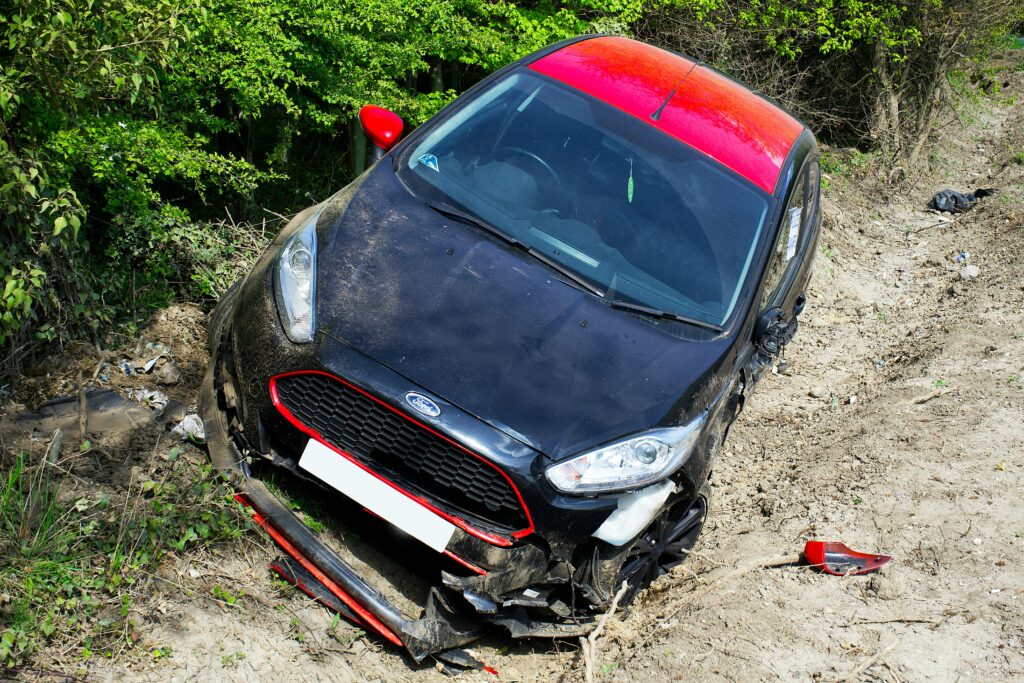

An auto accident can be stressful and overwhelming, especially if you or someone you love has been injured. In the moments after a crash, however, the information and evidence you gather can become important later when determining what happened and pursuing compensation for your injuries and losses.
Documenting the accident scene can help preserve important evidence before vehicles are moved, road conditions change, or witnesses leave the area. Knowing what to photograph, what information to collect, and what steps to take after a crash can help protect your rights. Learn how to properly document evidence at the scene of an accident with help from Fleschner, Stark, Tanoos & Newlin.
Your first priority after an accident should always be safety. If you are able to do so safely, move to a secure location away from traffic. Check on others involved in the crash and call 911 if anyone is injured or if emergency assistance is needed.
Calling 911 can help ensure that injured people receive prompt medical attention. It also creates an official record of the accident. When police arrive, provide an accurate account of what happened, but avoid speculating about fault or making statements such as “I’m sorry” or “I wasn’t paying attention.”
If you are seriously injured, focus on getting medical attention rather than trying to properly document every detail yourself at the scene of the car accident. Your health comes first.
“The moments immediately following an accident can be overwhelming, but the evidence available at the scene may become extremely important later. If you’re physically able to do so, taking photographs, identifying witnesses, and documenting what you remember can help preserve information that might otherwise be lost.” — Caleb Fleschner, Attorney
If it is safe to do so, use your phone to photograph and record as much of the accident scene as possible for comprehensive evidence documentation. Consider taking pictures of:
Take photographs from multiple distances and angles. Close-up photographs can document specific damage, while wider photographs can help show how the accident occurred in relation to the roadway and surrounding area.
If you can safely record video, slowly pan around the scene to capture the overall layout of the accident. Remember that your safety is more important than getting a photograph. Never stand in traffic or put yourself in danger to document evidence.
Part of properly documenting a car crash scene is photographing your vehicle thoroughly. Take pictures of all visible damage, even if it appears minor. Damage that seems insignificant immediately after an accident can sometimes become more apparent later. If possible, photograph:
Keep the photographs in their original form and avoid editing them.
Your memory of a car accident is an important part of your documentation, and it may change over time. As soon as you are able, write down everything you remember. Include details such as:
Do not guess about details you do not remember. If you are unsure about something, simply indicate that you do not remember.
Another important part of evidence collection is exchanging information with the other drivers involved in the accident. If possible, obtain:
You should also document the names and contact information of any passengers or other individuals who may have witnessed the accident. Avoid arguing with another driver about who was at fault. Even if you believe the other driver caused the collision, it is generally better to allow the evidence and investigation to establish what happened.
Independent witnesses can sometimes provide valuable information from the scene of a crash about how an accident occurred. If someone witnessed the collision, ask for their name and contact information. If they are willing, write down a brief description of what they saw.
Do not pressure a witness to provide a particular version of events. Simply preserve their contact information so that their account can be obtained later if necessary.
Businesses, homes, traffic intersections, and other nearby locations may have cameras that captured some or all of an accident. If you notice a nearby camera, document its location and, if possible, the name of the business or property owner to help strengthen evidence collection for a car crash claim.
Surveillance footage may not be preserved indefinitely. If you believe a camera captured the accident, tell your attorney as soon as possible so they can determine whether steps should be taken to preserve the footage.
It is natural to want to apologize or reassure someone after a collision. However, avoid making statements about fault before the circumstances of the accident have been fully investigated. You can cooperate with police and provide factual information without speculating about who caused the crash.
You should also avoid posting photographs, videos, or comments about the accident on social media before speaking with an attorney. Statements or posts made after an accident can potentially be taken out of context and used in connection with an injury claim.
Some injuries may not be immediately apparent after an accident. Adrenaline and shock can temporarily mask pain or other symptoms of severe injuries.
If you are injured or begin experiencing symptoms after the crash, seek medical attention. Follow your healthcare provider’s recommendations and keep records of your medical treatment. Be sure to keep documentation of:
Medical documentation can be important when establishing the nature and extent of injuries resulting from a car accident.
You should notify your insurance company about the accident and provide the information they request that you documented from the scene of the accident. However, remember that your insurance company is a business. Depending on the circumstances of the accident and your coverage, questions about the accident may have financial consequences.
If you have suffered significant injuries or believe another driver was responsible for the accident, consider speaking with a personal injury attorney before providing a detailed recorded statement or accepting a settlement.
After the accident, create a file containing all documentation related to the crash collected at the scene or afterward. This may include:
Do not delete photographs, text messages, emails, or other communications related to the accident.
The evidence available immediately after an accident can become increasingly difficult to obtain as time passes. Vehicles are repaired, physical evidence disappears, witnesses become harder to locate, and surveillance footage may be overwritten. Taking reasonable steps to document the scene can help preserve important information about what happened.
If you or a loved one has been injured in an auto accident, an experienced personal injury attorney can help you understand your legal options and determine what evidence may be important to your claim.
Contact Fleschner, Stark, Tanoos & Newlin to learn more about your legal options. The firm’s attorneys represent people injured in car accidents and other personal injury matters throughout Indiana and Illinois.
Fleschner, Stark, Tanoos & Newlin
 N/a
N/a
The financial burden that often comes with a serious injury can be too much for many people to bear. Unexpected medical debt, damaged personal property, and the sudden loss of income can impact the budgets of most families. The good news is that a successful injury claim could help reduce that financial strain after a serious accident. Get in touch with a Terre Haute personal injury lawyer with Fleschner, Stark, Tanoos & Newlin to learn more.
Copyright ©2026 Fleschner, Stark, Tanoos & Newlin,

