Wearing a seat belt takes only a few seconds, but that simple decision can make a significant difference in the outcome of a car accident.
According to the National Highway Traffic Safety Administration (NHTSA), 22,713 passenger vehicle occupants were killed in crashes in 2024, and 48% of those killed were unrestrained. NHTSA also reports that 9,758 passenger vehicle occupants who died in crashes that year were not wearing seat belts.
The message is simple: Buckle up every time you get into a vehicle, regardless of how short the trip may be.
A seat belt is one of the most effective safety features in a vehicle. When worn correctly, it helps keep occupants inside the vehicle and protects them from being thrown against the interior of the vehicle, other passengers, or completely ejected from the vehicle during a crash.
NHTSA reports that wearing a seat belt in the front seat of a passenger car reduces the risk of fatal injury by approximately 45%. In light trucks, seat belts reduce the risk of fatal injury by approximately 60%.
Being ejected from a vehicle can be particularly deadly. NHTSA notes that complete ejection is almost always fatal.
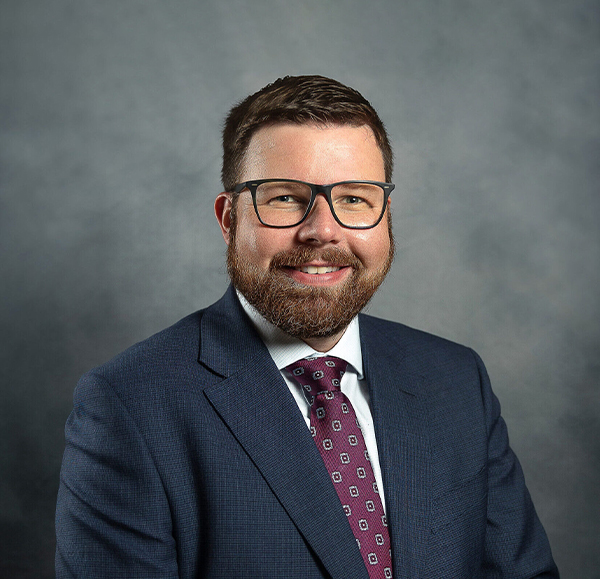
Attorney Caleb Fleschner emphasizes the importance of preventing crashes and the serious consequences that can follow when drivers make unsafe choices:
“Most car accidents are preventable. When someone chooses to drive carelessly or distracted, the consequences often fall on innocent people who never had a chance to avoid the crash.” — Caleb Fleschner
Although not every crash can be prevented, wearing a seat belt is one safety decision drivers and passengers can control.
The latest available NHTSA data show just how significant seat belt use remains in fatal crashes.
In 2024:
These numbers demonstrate why seat belt use matters regardless of where you are sitting or when you are traveling.
Some passengers still believe that seat belts are primarily necessary for people sitting in the front seat. That is not the case.
In 2024, nearly 60% of back-seat passengers killed in crashes were unrestrained, according to NHTSA.
Passengers should buckle up regardless of whether they are sitting in the driver’s seat, front passenger seat, or back seat.
A person who is not wearing a seat belt can also pose a danger to other people inside the vehicle during a crash. An unrestrained passenger can be thrown into other occupants or around the vehicle when a collision occurs.
Modern vehicles have numerous safety features designed to protect occupants during a crash, including air bags.
However, an air bag is not a substitute for a seat belt.
NHTSA explains that air bags are designed to work with seat belts, not replace them. An air bag can also cause serious injury if an occupant is not properly restrained.
For maximum protection, drivers and passengers should use their seat belts correctly every time they ride in a vehicle.
Simply fastening a seat belt isn’t enough. It should also be positioned correctly.
Remember these basic guidelines:
You don’t have to be traveling on the interstate or taking a long road trip for a seat belt to matter.
A crash can happen on a neighborhood street, in a parking lot, or just a few minutes from home. That’s why NHTSA recommends buckling up every trip, every time.
Getting into the habit of buckling your seat belt before the vehicle moves can help make it an automatic part of every trip.
Parents can also help establish good habits by wearing their own seat belts. Children are more likely to buckle up when they see the adults around them doing the same.
One of the most dangerous consequences of failing to wear a seat belt is ejection.
A properly worn seat belt helps keep an occupant inside the vehicle during a collision. Without that restraint, a person can be thrown through a window, door, or other opening.
NHTSA reports that being completely ejected from a vehicle in a crash is almost always deadly.
Even when an occupant survives an ejection, the resulting injuries can be catastrophic and may include traumatic brain injuries, spinal cord injuries, broken bones, internal injuries, and other serious conditions.
A seat belt is one of the simplest ways to reduce your risk of serious injury or death in a car accident.
Before putting the vehicle in drive, take a moment to make sure everyone is properly restrained.
Click your seat belt. Every trip. Every time.
Even when you take precautions, you cannot control the actions of every driver on the road. A distracted, impaired, aggressive, or negligent driver can cause a serious accident in an instant. If you or someone you love has been injured in a car accident caused by another driver’s negligence, you may be entitled to compensation for medical expenses, lost wages, pain and suffering, and other damages.
At Fleschner, Stark, Tanoos & Newlin, our Indiana personal injury attorneys represent people who have been injured in car accidents and work to protect their rights when dealing with insurance companies.
If you have been injured in an Indiana car accident, contact Fleschner, Stark, Tanoos & Newlin to schedule a free consultation.
Fleschner, Stark, Tanoos & Newlin
 N/a
N/a
The financial burden that often comes with a serious injury can be too much for many people to bear. Unexpected medical debt, damaged personal property, and the sudden loss of income can impact the budgets of most families. The good news is that a successful injury claim could help reduce that financial strain after a serious accident. Get in touch with a Terre Haute personal injury lawyer with Fleschner, Stark, Tanoos & Newlin to learn more.
Copyright ©2026 Fleschner, Stark, Tanoos & Newlin,

