When an aging loved one can no longer safely care for themselves, families may face the difficult decision of moving them into a nursing home or other long-term care facility.
Families make this decision expecting their loved ones to receive compassionate, professional care. Unfortunately, abuse and neglect can happen in nursing homes and other long-term care settings.
Older adults who depend on caregivers for their basic needs can be particularly vulnerable. Abuse may be physical, emotional, sexual, financial, or involve neglect. The Centers for Disease Control and Prevention (CDC) defines abuse of older persons as an intentional act or failure to act that causes or creates a risk of harm to an older adult.
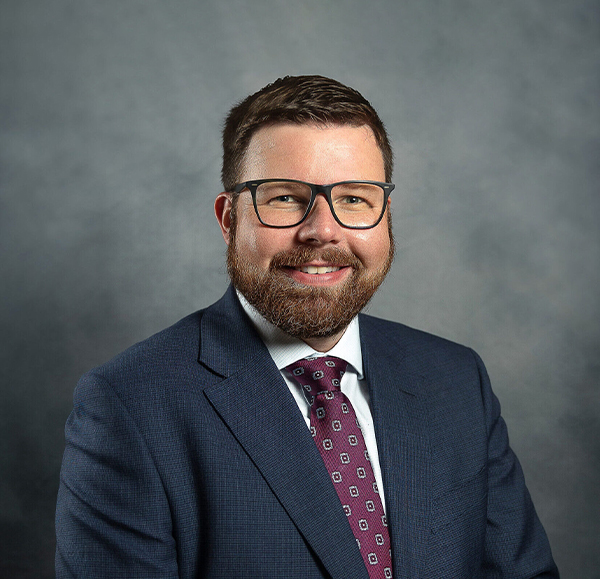
“When you place a loved one in a nursing home, you trust the facility and its staff to provide the care and protection that person needs. When that trust is violated through abuse or neglect, families deserve answers and should not be afraid to speak up.” — Attorney Caleb Fleschner
Nursing home abuse can take many forms. Sometimes the signs are obvious, such as unexplained bruises or other physical injuries. Other times, abuse or neglect can be much more difficult to recognize.
Common forms of elder abuse include:
Physical abuse involves intentionally using physical force against an older adult in a way that causes or could cause injury.
Examples may include:
Emotional abuse can involve words or behavior intended to cause fear, distress, humiliation, or emotional suffering.
Examples may include:
Emotional abuse can be particularly difficult to identify because it may not leave visible physical injuries.
Sexual abuse involves unwanted or nonconsensual sexual contact or other sexual behavior.
Older adults who have cognitive impairments or difficulty communicating may be particularly vulnerable and may have difficulty reporting what happened.
Financial exploitation occurs when someone improperly uses an older adult’s money, property, or other financial resources.
Warning signs may include:
Neglect occurs when a caregiver fails to provide necessary care, creating a risk of harm to the resident.
Potential examples include failing to provide:
Neglect isn’t always intentional. However, whether it is intentional or not, a failure to provide appropriate care can put a nursing home resident in serious danger.
One of the biggest challenges for families is recognizing when something may be wrong.
Some potential warning signs include:
A single warning sign does not necessarily mean abuse is occurring. However, unexplained or recurring problems should not be ignored.
If you believe a loved one may be experiencing abuse or neglect, take the concern seriously.
If your loved one is in immediate danger or needs emergency medical attention, call 911.
The National Center on Elder Abuse also recommends reporting nursing home, assisted living, and other long-term-care facility abuse to the appropriate state licensing agency.
Keep records of anything that concerns you.
Consider documenting:
Documentation can become important if the situation needs to be investigated later.
If possible, speak privately with your loved one and ask whether something is wrong.
Avoid leading questions. Give them an opportunity to explain what happened in their own words.
Remember that cognitive impairment, fear, embarrassment, or dependence on caregivers may make it difficult for an older adult to disclose abuse.
Nursing homes have obligations to report allegations of abuse, neglect, exploitation, and mistreatment.
Federal CMS guidance requires facilities to report allegations involving abuse or serious bodily injury immediately and no later than two hours after the allegation is made. Certain allegations involving neglect, exploitation, or misappropriation of property that do not involve serious bodily injury must be reported within 24 hours.
Families should also consider reporting suspected abuse to the appropriate state authorities or law enforcement, depending on the circumstances.
If your loved one has been injured, make sure they receive appropriate medical care.
A medical examination can help identify injuries or health problems that may not be immediately obvious. Medical records can also provide important documentation of your loved one’s condition.
It can be difficult to question the care your loved one is receiving, particularly when you have trusted a facility to care for them.
You may worry about being wrong, upsetting your loved one, or damaging your relationship with the facility. But if something doesn’t seem right, it is worth asking questions.
Families don’t need to wait until they have proof of abuse before raising a concern. CMS guidance specifically recognizes allegations of abuse, neglect, exploitation, mistreatment, and injuries of unknown source as matters that nursing facilities must address and report according to federal requirements.
Older adults may be especially vulnerable to the effects of abuse and neglect because many already have medical conditions, mobility limitations, or other health concerns.
Abuse or neglect can result in:
Families should not assume that unexplained injuries or sudden changes in their loved one’s condition are simply a normal part of aging.
When you place a loved one in a nursing home, you expect them to receive appropriate care and treatment. If you believe a nursing home or its employees have abused or neglected your loved one, you may have legal options.
The Indiana personal injury attorneys at Fleschner, Stark, Tanoos & Newlin represent individuals and families dealing with serious injuries caused by negligence and abuse.
If you suspect that your loved one has been the victim of nursing home abuse or neglect, contact Fleschner, Stark, Tanoos & Newlin to discuss your situation and learn more about your legal options.
Fleschner, Stark, Tanoos & Newlin
 N/a
N/a
The financial burden that often comes with a serious injury can be too much for many people to bear. Unexpected medical debt, damaged personal property, and the sudden loss of income can impact the budgets of most families. The good news is that a successful injury claim could help reduce that financial strain after a serious accident. Get in touch with a Terre Haute personal injury lawyer with Fleschner, Stark, Tanoos & Newlin to learn more.
Copyright ©2026 Fleschner, Stark, Tanoos & Newlin,

