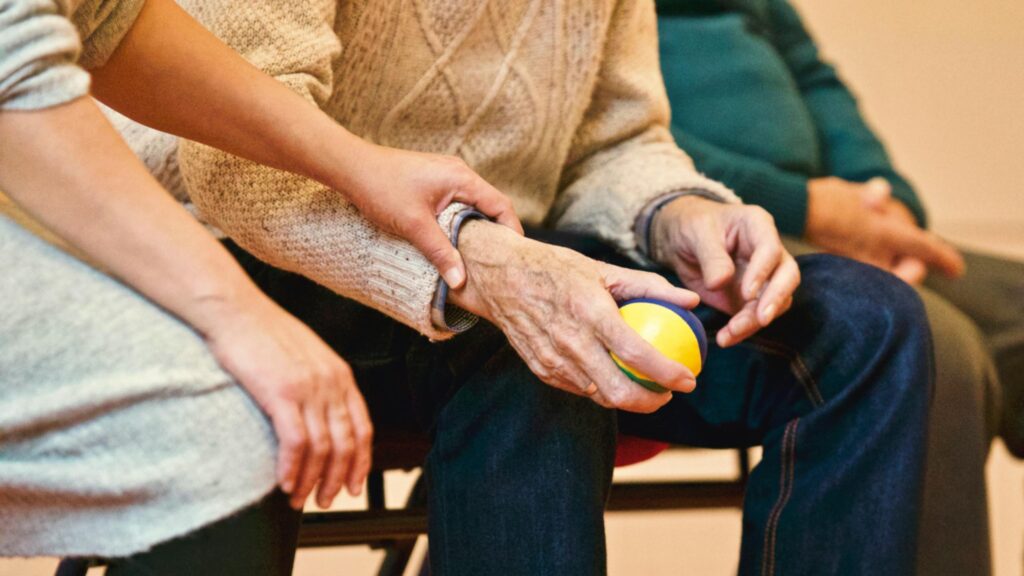

Moving a loved one into a nursing home is never an easy decision. Families trust nursing home staff to provide their loved ones with appropriate care, supervision, dignity, and attention. When a loved one depends on others for basic daily needs, however, neglect can have serious consequences.
Nursing home neglect is not always obvious. Sometimes, the warning signs are physical and easy to see. Other times, neglect may appear as changes in behavior, living conditions, hygiene, nutrition, or overall health. Identifying signs of neglect within nursing home patients can help families take action and protect a vulnerable loved one.
“Families place an enormous amount of trust in nursing home caregivers. When a loved one begins showing unexplained injuries, changes in behavior, poor hygiene, or other signs that their needs are not being met, those concerns should not be ignored. Families have a right to ask questions and expect their loved ones to receive appropriate care and dignity.” — Steve Fleschner, Attorney
Nursing home neglect occurs when a facility or caregiver fails to provide the care and attention a resident needs. Unlike intentional abuse, neglect does not necessarily involve someone deliberately trying to harm a resident. Neglect can occur when a nursing home fails to provide appropriate:
Even when neglect is not intentional, failing to provide appropriate care can result in serious injuries, illness, or a decline in a nursing home resident’s quality of life, and family members need to be on the lookout for the warning signs.
Abuse and neglect are different, but they can sometimes occur together to harm nursing home patients. Families should be aware of several forms of potential abuse.
Unexplained injuries may be a warning sign of physical abuse. Look for:
Physical abuse can be particularly difficult to identify in residents who have difficulty communicating or who have cognitive impairments.
Abuse does not always leave visible injuries. A caregiver may harm a resident through threats, intimidation, humiliation, insults, isolation, or coercion. Potential warning signs include:
A resident who suddenly becomes withdrawn or fearful may be communicating that something is wrong, even if they cannot explain exactly what happened.
Nursing home residents can also be vulnerable to financial exploitation. Warning signs may include:
If you notice unexplained financial activity involving your loved one, consider discussing your concerns with an attorney who handles nursing home abuse and neglect cases.
When it comes to nursing home patients, neglect can be more difficult to identify than physical abuse because it may develop gradually. Some warning signs may include changes in your loved one’s physical appearance, health, behavior, or living environment.
Residents who depend on nursing home staff for meals and fluids may be particularly vulnerable to malnutrition and dehydration. Potential warning signs include:
Families should ask questions if their loved one repeatedly appears hungry, dehydrated, or malnourished.
A resident’s personal hygiene can also provide clues about whether appropriate care is being provided. Look for:
A resident who requires assistance with bathing, grooming, toileting, or changing clothes should receive that assistance consistently.
Bedsores, also known as pressure injuries or pressure ulcers, can develop when a person remains in the same position for extended periods. Residents who are unable to reposition themselves may require regular assistance with changing positions and other preventive care. Potential warning signs include:
Pressure injuries can become serious if they are not identified and treated appropriately.
Medication errors can also be a sign that a resident’s care needs are not being properly addressed. Families should pay attention to:
If your loved one’s behavior or health changes significantly after a medication change, ask the nursing home staff and medical providers for an explanation.
Falls are a significant concern for elderly nursing home residents, particularly those with mobility issues or medical conditions that increase their risk.
A pattern of repeated falls may raise questions about whether appropriate precautions are being taken. Potential warning signs include:
A single fall does not necessarily mean a resident has been neglected. However, repeated falls or injuries may warrant further investigation.
Untreated or poorly treated medical conditions can also be signs that a resident’s healthcare needs are not being adequately addressed. Families should pay attention to:
If a loved one’s health appears to be declining rapidly, ask questions about what treatment they have received and whether their physicians have been notified.
Some residents, particularly those with dementia or other cognitive impairments, may be at risk of wandering. Nursing homes have a responsibility to appropriately supervise residents based on their individual needs and care plans.
A resident repeatedly wandering away from a safe area, leaving the facility, or experiencing preventable injuries may raise concerns about whether appropriate supervision is being provided.
The condition of the facility and your loved one’s room can also provide important information. Watch for:
A facility should provide residents with a reasonably safe and sanitary environment.
Sometimes the first indication that something is wrong is simply that your loved one seems different. You may notice that they:
These changes and signs do not automatically mean abuse or neglect is occurring in the nursing home. There may be medical, psychological, or other explanations. However, significant changes should not be dismissed.
If you believe your loved one may be experiencing nursing home neglect, identify the warning signs and document your concerns. Consider keeping a record of:
Ask the facility questions and request an explanation for anything that concerns you.
If your loved one has suffered a serious injury or medical complication, consider speaking with an experienced attorney who can help determine whether the circumstances may support a legal claim.
Family members often know when something about their loved one’s condition or care does not seem right. You do not have to wait until you have proof of nursing home neglect before asking questions about patient safety. If something concerns you, document what you observe and seek appropriate assistance.
At the same time, individual warning signs do not necessarily prove that nursing home neglect has occurred. Medical conditions, aging, medications, and other circumstances can cause many of the symptoms discussed above. The important thing is to take significant changes seriously and investigate when appropriate.
Nursing home residents deserve to receive appropriate care, dignity, and respect. When a facility fails to meet a resident’s basic needs, the consequences can be serious. Being able to identify signs of neglect within nursing home patients is the best first step.
If you suspect that your loved one has suffered from nursing home abuse or neglect, an experienced attorney can help you understand your legal options and determine whether further investigation may be appropriate.
Contact Fleschner, Stark, Tanoos & Newlin to discuss your concerns with an experienced personal injury attorney. The firm handles nursing home abuse and other personal injury matters in Indiana and Illinois.
Fleschner, Stark, Tanoos & Newlin
 N/a
N/a
The financial burden that often comes with a serious injury can be too much for many people to bear. Unexpected medical debt, damaged personal property, and the sudden loss of income can impact the budgets of most families. The good news is that a successful injury claim could help reduce that financial strain after a serious accident. Get in touch with a Terre Haute personal injury lawyer with Fleschner, Stark, Tanoos & Newlin to learn more.
Copyright ©2026 Fleschner, Stark, Tanoos & Newlin,

